
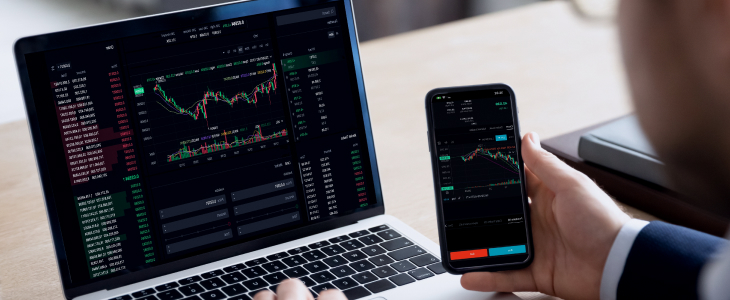
In the rapidly evolving world of finance, forex software trading Trading Uganda positions itself at the forefront of providing innovative solutions for traders. Forex trading, in particular, has become a significant player in the global financial markets. With the advent of advanced software, traders can now execute transactions faster, analyze data more accurately, and make informed decisions. The evolution of forex software trading has transformed how individuals trade currencies, making it accessible to a broader audience. In this article, we will delve into the essential components of forex software trading, its benefits, and the future trends that traders can expect.
Understanding Forex Trading Software
Forex trading software is designed to facilitate the buying and selling of currencies in the foreign exchange market. These applications range from simple platforms that allow basic trading functions to advanced systems equipped with sophisticated analytical tools. The primary goal is to enable traders to leverage market trends, provide insights, and enhance decision-making processes. Key types of Forex software include:
- Trading Platforms: These are the most common tools used by forex traders. They provide real-time data, charts, and a marketplace for different currency pairs. The most popular platforms include MetaTrader 4 (MT4), MetaTrader 5 (MT5), and cTrader.
- Automated Trading Systems: These systems use algorithms to execute trades on behalf of the trader. Traders can set parameters and strategies, and the software will monitor the market and execute trades as conditions are met.
- News and Data Feeds: Forex markets are highly influenced by news and economic data. Software that aggregates real-time news helps traders stay informed about factors that could affect currency values.
- Technical Analysis Tools: These tools provide indicators, charts, and analysis for traders to study market trends and make predictions based on historical data.

The Benefits of Forex Trading Software
Forex trading software provides several advantages that can significantly impact a trader’s success:
- Speed and Efficiency: Automated trading systems can execute trades in milliseconds, which is crucial in a fast-paced market where prices can change rapidly. The ability to respond quickly can lead to higher profits.
- Accessibility: With the availability of web-based and mobile trading platforms, traders can manage their accounts and execute trades anytime and anywhere. This flexibility is essential in a 24/5 market.
- Improved Decision Making: Trading software offers advanced analytical tools that help traders make informed decisions based on data rather than emotions. Historical data analysis, real-time updates, and risk assessment tools enable traders to strategize effectively.
- Backtesting Capabilities: Traders can test their strategies against historical data before applying them in live markets. This practice helps refine strategies and can boost confidence.
Key Features to Look for in Forex Trading Software
When choosing forex trading software, it is essential to consider several features that will enhance your trading experience:
- User-Friendly Interface: A cluttered or confusing interface can hinder your trading experience. Choose software that is intuitive and straightforward, allowing you to focus on trading.
- Multiple Time Frames: The ability to analyze trends across different time frames can help you identify the best opportunities and make strategic decisions.
- Customizability: Look for software that allows you to tailor indicators, layouts, or trading strategies to suit your preferences.
- Reliable Customer Support: Technical issues can arise unexpectedly. Ensure that the software provider offers reliable customer support to resolve any problems quickly.
- Security Features: Your financial information must be protected. Choose software that implements robust security measures, including encryption and two-factor authentication.
Future Trends in Forex Software Trading
As technology continues to advance, several trends are shaping the future of forex trading software:
- Artificial Intelligence (AI) and Machine Learning: With the rise of AI, trading software is becoming more sophisticated. AI can analyze vast amounts of data, identify patterns, and predict market movements, potentially enhancing trading strategies.
- Mobile Trading: The trend of trading on mobile devices is expected to grow. As technology improves, traders will rely more on their smartphones and tablets, necessitating software that offers comprehensive trading features on these devices.
- Blockchain Technology: The integration of blockchain could revolutionize the forex market by increasing transparency, security, and transaction speed.
- Social and Copy Trading: Social trading platforms allow traders to share strategies and portfolios. This trend is expected to continue, catering to beginners looking to learn from experienced traders.
- Integration with Other Financial Markets: As more traders look to diversify their portfolios, the integration of forex trading software with stock, commodities, and cryptocurrency markets is likely to increase.
Conclusion
The evolution of forex software trading has brought remarkable changes to how traders interact with the market. With tools that enhance efficiency, decision-making, and accessibility, forex trading has become an attractive option for individuals around the world. As technology continues to advance, traders can expect even more innovative solutions that cater to their needs. Whether you are a seasoned trader or just beginning your journey, understanding the various aspects of forex trading software will empower you to navigate the market successfully.

Join The Discussion